Quick Summary & Key Takeaways
- Insightful Resource: A detailed guide exploring Unlock The Power Of FRAM Filters: A Beginner's Journey To in depth.
- Step-by-Step Walkthrough: Detailed sections covering practical applications and common practices.
- High-Value Content: Curated layouts designed to provide maximum clarity and structured learning.
Why Understanding Cross Reference FRAM Filters Matters
When it comes to maintaining your vehicle, one of the most crucial components to consider is the oil filter. The right oil filter can significantly enhance the performance and longevity of your engine. Among the numerous oil filter brands available, FRAM stands out for its quality and reliability. However, with so many options on the market, choosing the correct FRAM filter for your vehicle can be daunting, especially for beginners. This is where understanding how to cross reference FRAM filters becomes essential.
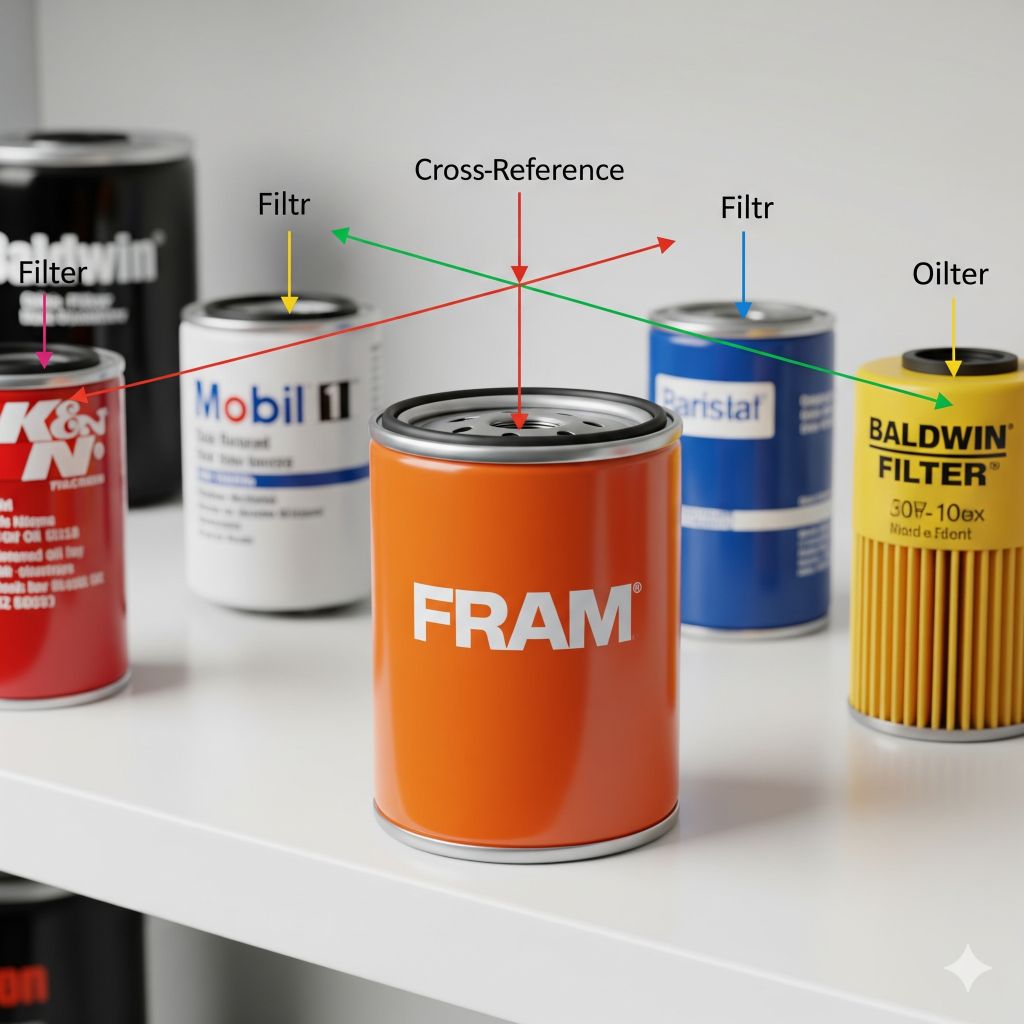
Cross referencing involves comparing different part numbers from various manufacturers to find the perfect match for your vehicle's needs. It's a skill that can save you time, money, and the frustration of dealing with incorrect parts. In this guide, we will delve into the world of FRAM filters and explore how to master cross referencing them in 5 easy steps, designed specifically for beginners.
Understanding the Basics of FRAM Filters
Before diving into the process of cross referencing, it's vital to have a solid understanding of what FRAM filters are and how they work. FRAM filters are designed to protect your engine by filtering out dust, dirt, and other contaminants from the oil. They come in various types and sizes, each suited for different vehicles and driving conditions. Knowing the specifics of your vehicle, such as the make, model, and engine type, is crucial for selecting the right FRAM filter.
FRAM offers a wide range of filters, including standard duty, high mileage, and synthetic filters, each with its unique benefits. For instance, high mileage filters are designed for vehicles with over 75,000 miles, offering superior engine protection and potentially extending the life of your vehicle. Understanding these differences and how they apply to your vehicle is the first step towards mastering cross referencing.
The 5 Easy Steps to Mastering Cross Reference FRAM Filters
The journey to mastering cross reference FRAM filters is simpler than you might think. Here are the 5 easy steps to follow:
- •Crack The Code: Everything You Need To Know About Rubik'S Cube Algorithms List Before It's Too Late
- •10 Things You Didn't Know About Breeze Online (Number 7 Will Surprise You!)
- •Unraveling The Enigma: Why Everyone Is Obsessed With Rubik's Cube Algorithms PDF Today
- •Unveiling The Hidden World Of Ballet: Top Secrets Revealed For Ultimate Enthusiasts
- •The Shocking Truth About Effect Of Urbanization On Environment They Don't Want You To Find Out
- Identify Your Vehicle's Specifications: Start by gathering all the necessary information about your vehicle, including the make, model, year, and engine type.
- Choose the Right FRAM Filter Type: Based on your vehicle's specifications and your driving conditions, decide which type of FRAM filter is most suitable. Consider factors such as mileage, driving habits, and the environment in which you drive.
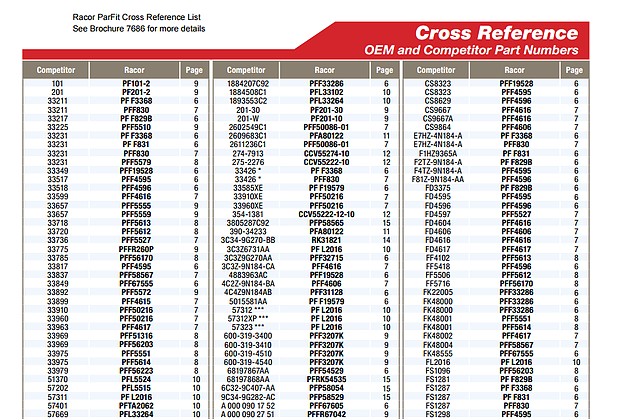
- Use a Cross Reference Chart: Utilize a cross reference chart or guide to find the equivalent FRAM filter for your vehicle. These charts are available online or through automotive parts suppliers.
- Verify the Information: Double-check the part number and description of the FRAM filter you've selected to ensure it matches your vehicle's requirements.
- Install Your FRAM Filter: Once you've confirmed the correct FRAM filter, follow the manufacturer's instructions for installation. Proper installation is key to ensuring the filter works efficiently and effectively.
Tools and Resources for Cross Referencing FRAM Filters
Fortunately, there are numerous tools and resources available to aid in the cross referencing process. Online databases, automotive forums, and manufacturer websites are excellent sources of information. These platforms provide access to cross reference charts, part number lookups, and detailed product descriptions, making the process of finding the right FRAM filter much easier.
Additionally, consulting with professionals at an auto parts store or a mechanic can provide valuable insights and guidance. They often have extensive experience with various vehicle types and can offer recommendations based on your specific needs.
Conclusion: Your Path to Mastery
Mastery of cross referencing FRAM filters is within reach, even for beginners. By following these 5 easy steps and utilizing the available tools and resources, you can confidently select the perfect FRAM filter for your vehicle. Remember, understanding your vehicle's needs and the specifications of FRAM filters is key to making an informed decision. With practice and experience, you'll become adept at navigating the world of oil filters, ensuring your vehicle runs smoothly and efficiently for years to come.
The journey to mastery is not just about finding the right filter; it's about understanding the intricacies of your vehicle and how to maintain it for optimal performance. By taking the time to learn about FRAM filters and how to cross reference them, you're not only saving money and time but also ensuring the longevity and health of your engine. So, embark on this journey with confidence, and discover how mastering cross reference FRAM filters can transform your approach to vehicle maintenance.
For more details and authoritative references, refer to the official documentation on Wikipedia.


