Quick Summary & Key Takeaways
- Insightful Resource: A detailed guide exploring Turbocharge Your Browser: A Step-by-Step Guide To Disable Chrome Hardware in depth.
- Step-by-Step Walkthrough: Detailed sections covering practical applications and common practices.
- High-Value Content: Curated layouts designed to provide maximum clarity and structured learning.
Why You Need to Tame Chrome's Hardware Acceleration
Browsing the web should be a seamless experience, but for many, it's a frustrating dance of lag and crashes. If you're among those whose Chrome browser is acting up, there's a simple yet powerful tweak you can try: disabling hardware acceleration. The term might sound daunting, but trust us, it's a straightforward fix that could significantly enhance your browsing experience. In this article, we'll explore how to disable Chrome hardware acceleration and why it might be the key to fixing those annoying browser lag and crashes.
The concept of hardware acceleration in browsers like Chrome is to offload some of the computation to your computer's GPU, theoretically making web pages load faster and improving performance. However, for some users, this feature does more harm than good, leading to browser crashes, freezes, and unexplained lag. This can be particularly frustrating when you're in the middle of an important task or enjoying your favorite show online.

The Symptoms: When to Consider Disabling Hardware Acceleration
So, how do you know if disabling hardware acceleration could be the solution to your browser woes? Look out for these common symptoms: frequent crashes where Chrome closes unexpectedly, persistent lag that slows down your browsing, or maybe your browser freezes and becomes unresponsive. These issues can stem from a variety of sources, but if they've become a regular part of your browsing experience, it's worth exploring the potential benefits of disabling hardware acceleration.
Another important consideration is your system's specifications. Older computers or those with less powerful GPUs might not handle hardware acceleration as smoothly as newer, more powerful machines. In such cases, disabling this feature can help distribute the workload more evenly, potentially leading to a smoother browsing experience.
A Step-by-Step Guide to Disabling Chrome Hardware Acceleration
Fortunately, Chrome makes it relatively easy to disable hardware acceleration. Here's how you can do it:
- •Did David Jeremiah Pass Away: Fact Check Reveals He's Very Much Alive
- •Unraveling The Mystery: Everything You Need To Know About Why Did James Hetfield Get Divorced
- •Unlocking The Fire: Discover The Sports That Ignite Passion In Teens
- •Evolve Your Wardrobe: Discover The Maturation Of Japanese Wide Leg Pants For Men A Style Guide
- •Dodgers Vs Blue Jays: Unpacking The Head-to-Head Stats And A Legacy Of Contrasting Eras
- Open Google Chrome on your computer.
- Click on the three dots at the top right corner of the browser window and select "Settings" from the dropdown menu.
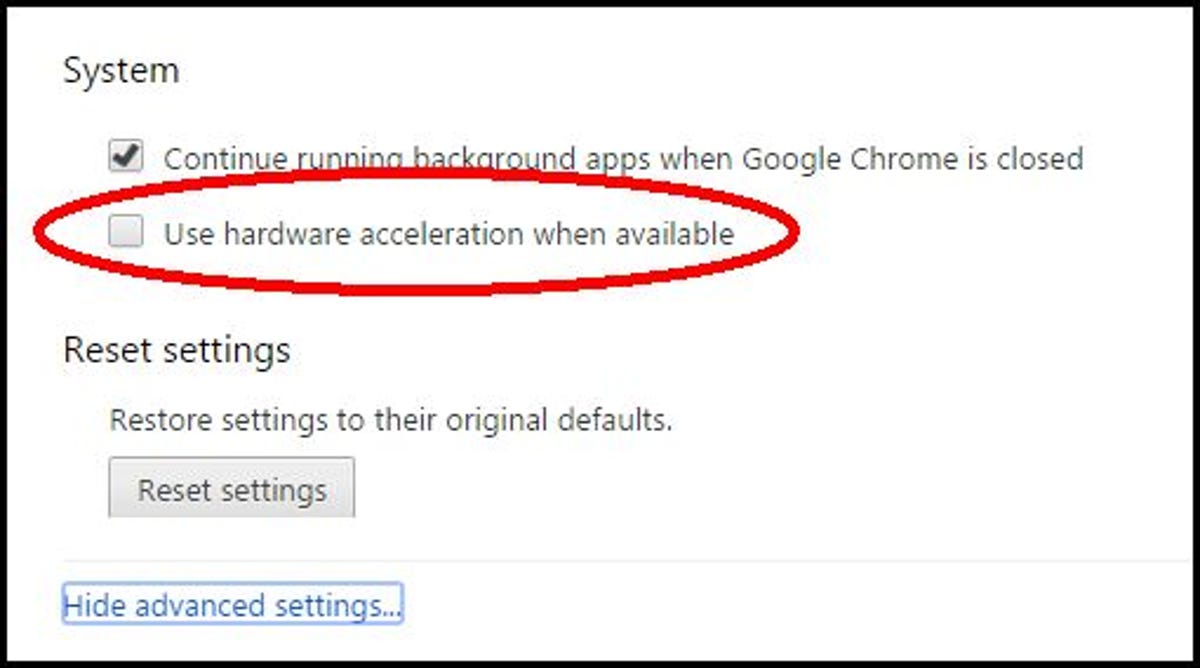
- Scroll down to the "Advanced" section and click on "System".
- Under the "System" section, you'll see the option to "Use hardware acceleration when available". Toggle the switch to the off position to disable it.
- Restart Chrome for the changes to take effect.
By following these simple steps, you can potentially resolve issues with browser lag and crashes. Remember, the goal is to find a balance that works for your specific setup and browsing habits.
What to Expect After Disabling Hardware Acceleration
After you've disabled hardware acceleration, keep an eye on your browser's performance. You might notice an immediate improvement in how smoothly web pages load and respond. However, the impact can vary based on your computer's hardware and the specific web pages you visit. Some users report a significant reduction in crashes and lag, while others might not notice a substantial difference.
It's also worth noting that disabling hardware acceleration might affect the performance of certain web applications or features that heavily rely on GPU processing, such as graphics-intensive games or video editing tools accessible through the web. If you find that disabling hardware acceleration causes issues with these types of applications, you might need to explore other solutions or consider upgrading your computer's hardware.
Conclusion: Taking Control of Your Browsing Experience
Disabling Chrome hardware acceleration is a straightforward tweak that can potentially fix a myriad of browsing issues, from annoying lag to frustrating crashes. By understanding when to disable this feature and how to do it, you're taking a proactive step towards enhancing your overall browsing experience. Remember, the key to a smooth and enjoyable web surfing experience is finding the right balance for your specific needs and computer setup. If disabling hardware acceleration is the solution you've been searching for, you'll be navigating the web with renewed speed and reliability in no time.
As you embark on this journey to optimize your browser, keep in mind that technology is constantly evolving. Stay informed about the latest updates and tweaks that can further improve your browsing experience. With a little patience and the right knowledge, you can turn your browser into a powerful, efficient tool that enhances your daily life.
Additional context and verified research data can be verified on Wikipedia's Public Archives.


