Quick Summary & Key Takeaways
- Insightful Resource: A detailed guide exploring Unlock Your Productivity: Mastering Time Management In 3 Months in depth.
- Step-by-Step Walkthrough: Detailed sections covering practical applications and common practices.
- High-Value Content: Curated layouts designed to provide maximum clarity and structured learning.
The Power of Time Mastery
Effective time management is the backbone of productivity, allowing individuals to achieve their goals and reduce stress. With the right strategies, anyone can master their schedule and unlock their full potential. The concept of "3 Months In Weeks Your Quick Guide To Mastering Time Management" is centered around providing a concise and actionable plan to enhance time management skills. By breaking down the process into manageable chunks, individuals can focus on making gradual improvements that lead to significant long-term benefits.
A key aspect of mastering time management is understanding how to prioritize tasks and allocate time efficiently. This involves identifying the most critical tasks, eliminating distractions, and minimizing procrastination. By doing so, individuals can ensure that they are making the most of their time and energy. The "3 Months In Weeks" approach offers a unique perspective on time management, providing a framework for individuals to reorganize their schedules and habits.

Understanding the 3-Month Timeline
The "3 Months In Weeks" timeline is divided into 12-13 weeks, providing a clear and manageable framework for individuals to work with. This period is long enough to allow for significant progress, yet short enough to maintain focus and momentum. By breaking down the timeline into smaller chunks, individuals can set achievable goals and track their progress, making adjustments as needed. The "3 Months In Weeks Your Quick Guide To Mastering Time Management" approach emphasizes the importance of consistent effort and gradual improvement.
A crucial aspect of this approach is the ability to identify and prioritize tasks. Individuals must be able to distinguish between essential and non-essential tasks, allocating their time and energy accordingly. This involves developing a clear understanding of their goals and objectives, as well as the skills and resources required to achieve them. By mastering this process, individuals can optimize their time management and make significant strides towards their goals.
Implementing the 3-Month Plan
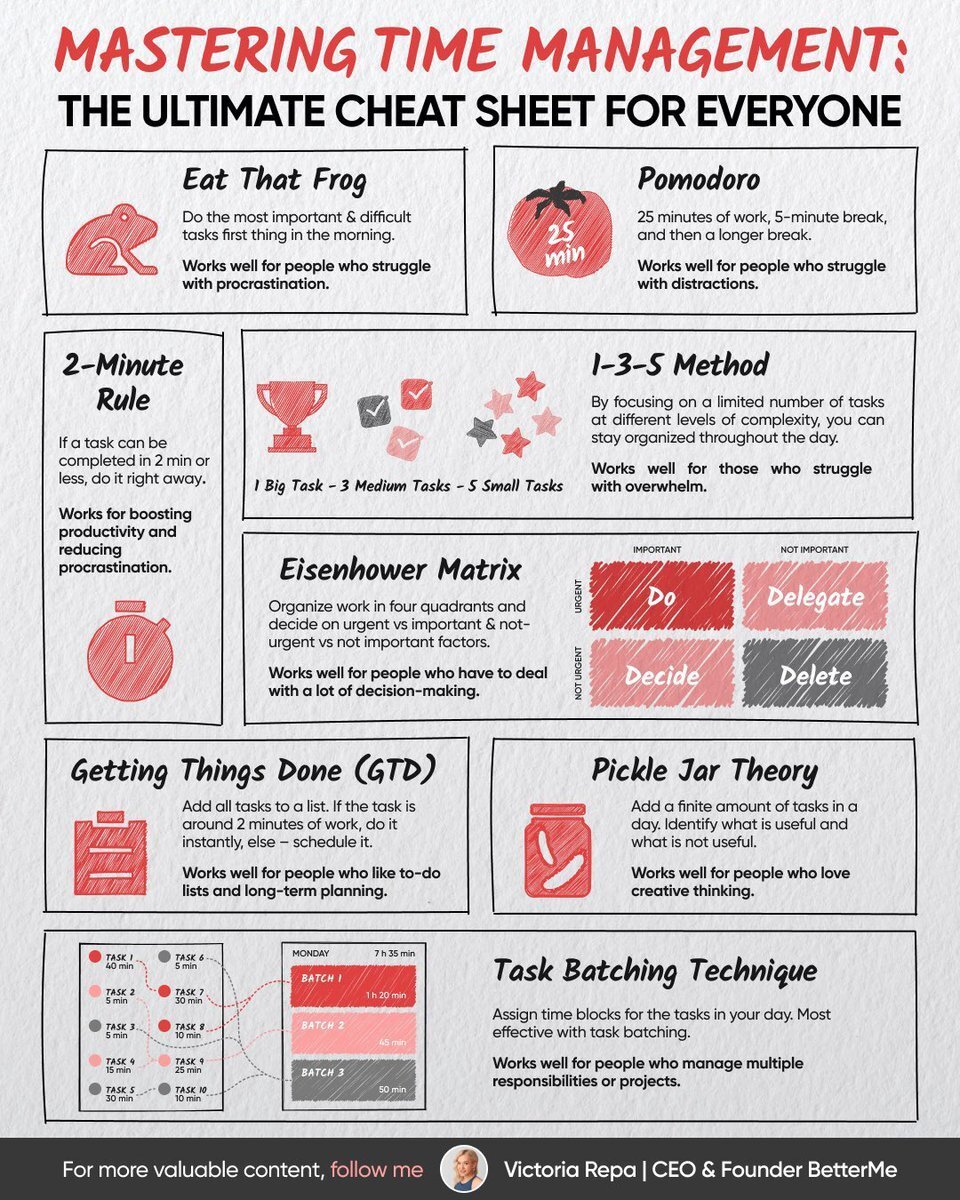
Implementing the "3 Months In Weeks" plan requires a combination of discipline, flexibility, and patience. Individuals must be willing to adapt to changing circumstances, while maintaining a consistent focus on their goals. This involves developing a routine that balances work, rest, and leisure activities, ensuring that energy levels are maintained and burnout is avoided. The "3 Months In Weeks Your Quick Guide To Mastering Time Management" provides a range of strategies and techniques to help individuals stay on track, including time-blocking, prioritization, and delegation.
- •Uncovering The Truth: 2016 Ford Taurus Limited Engine Issues And Solutions
- •Unveiling The Unsung Hero: Behind The Dugout Unpacking The Life Of The Wife Of Mlb Manager Joe Girardi
- •Adidas Campus Vs Gazelle: Which Sneaker Reigns Supreme? A Comprehensive Showdown
- •Unspoken Legacy: How Anthony Bourdain's Daughter Keeps His Memory Alive
- •Unveiling The Ultimate Family Vehicle: A Deep Dive Into The 2015 Chrysler Town And Country
A key benefit of this approach is the ability to review and adjust progress regularly. By breaking down the 3-month timeline into smaller chunks, individuals can evaluate their progress, identify areas for improvement, and make adjustments as needed. This involves developing a growth mindset, being open to new ideas and perspectives, and being willing to learn from mistakes. The "3 Months In Weeks" approach provides a framework for individuals to take control of their time management, making gradual improvements that lead to significant long-term benefits.
Overcoming Obstacles and Staying Motivated
One of the biggest challenges individuals face when implementing the "3 Months In Weeks" plan is overcoming obstacles and staying motivated. This involves developing a range of strategies to maintain focus and momentum, including setting clear goals, tracking progress, and celebrating achievements. The "3 Months In Weeks Your Quick Guide To Mastering Time Management" approach emphasizes the importance of self-care and stress management, providing techniques to reduce stress and maintain energy levels.
A crucial aspect of staying motivated is the ability to celebrate small wins and acknowledge progress. Individuals must be willing to recognize and reward their achievements, no matter how small they may seem. This involves developing a positive mindset, focusing on solutions rather than problems, and maintaining a sense of purpose and direction. By doing so, individuals can stay motivated and engaged, even in the face of challenges and setbacks.
Conclusion and Next Steps
In conclusion, the "3 Months In Weeks Your Quick Guide To Mastering Time Management" approach provides a unique and effective framework for improving time management skills. By breaking down the process into manageable chunks, individuals can focus on making gradual improvements that lead to significant long-term benefits. The key to success lies in developing a consistent routine, staying motivated, and being willing to adapt to changing circumstances. With the right mindset and strategies, anyone can master their time management and achieve their goals.
As individuals embark on their journey to mastering time management, it is essential to remember that progress may be slow and uneven at times. However, with persistence, patience, and the right guidance, anyone can develop the skills and habits necessary to achieve their goals. The "3 Months In Weeks" approach provides a valuable resource for individuals seeking to improve their time management, offering a range of strategies and techniques to help them stay on track and achieve success.
For more details and authoritative references, refer to the official documentation on Wikipedia.


