Quick Summary & Key Takeaways
- Insightful Resource: A detailed guide exploring From Salsa Swirls To Synth Waves: Unpacking Miami's Ever-Evolving Beachy in depth.
- Step-by-Step Walkthrough: Detailed sections covering practical applications and common practices.
- High-Value Content: Curated layouts designed to provide maximum clarity and structured learning.
The Pulse of Paradise: Miami's Unmistakable Rhythm
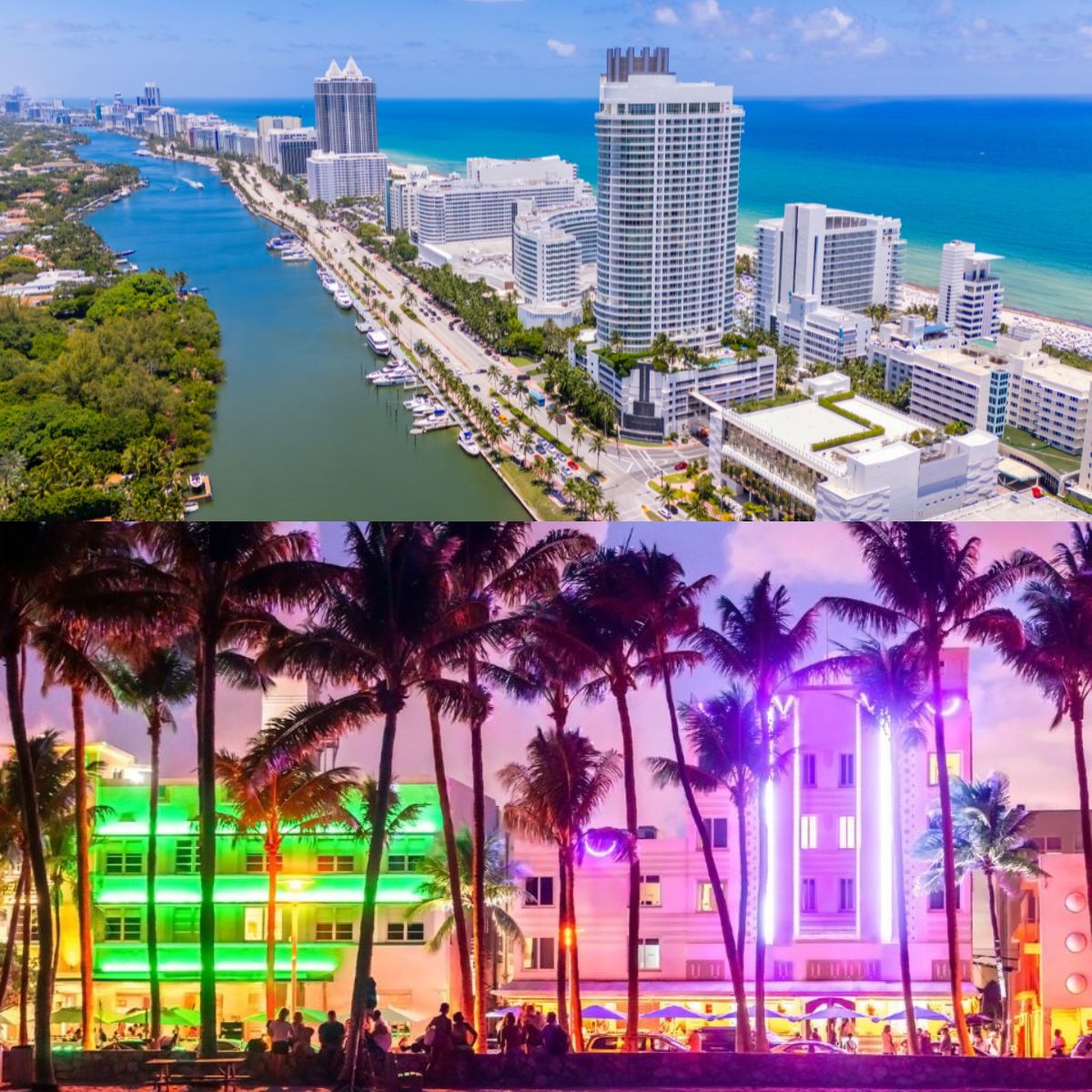
Miami isn't just a city; it's a feeling, a vibrant explosion of culture, sunshine, and an absolutely infectious rhythm. From the thumping bass lines echoing down Ocean Drive to the intricate Latin melodies drifting from Calle Ocho, there’s an undeniable auditory signature that defines this dynamic metropolis. But this "beachy beat" didn't just appear overnight. It's a meticulously crafted, constantly evolving masterpiece, a testament to the city's diverse heritage and its relentless pursuit of good times. If you're looking to understand the soul of Miami, you need to immerse yourself in its sound, because to truly get ready to bust a move, the evolution of Miami's beachy beat is the story you need to hear.
Latin Roots and Tropical Tides: Laying the Rhythmic Foundation
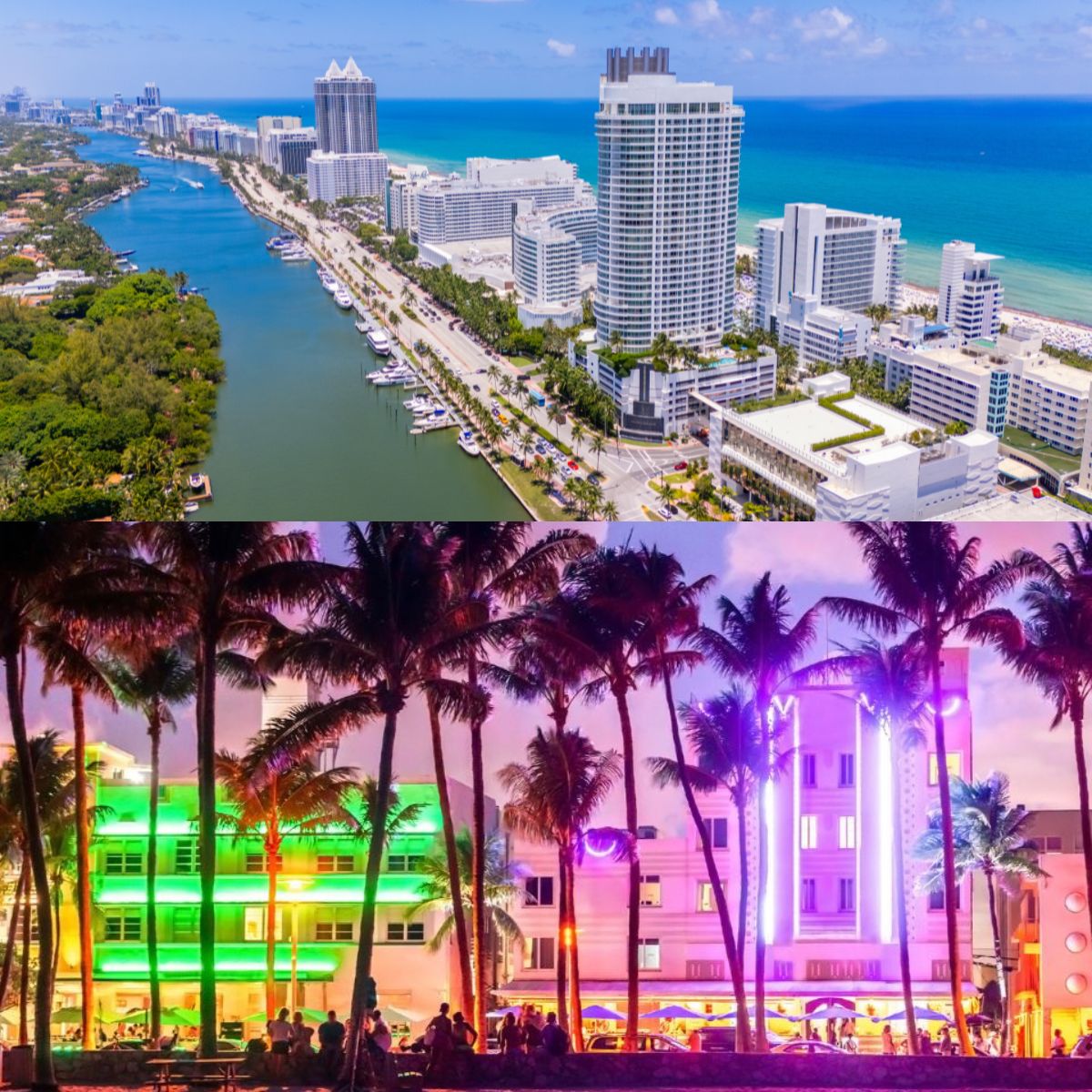
The earliest, and arguably most foundational, layers of Miami’s soundscape are deeply rooted in its Latin and Caribbean influences. Waves of immigrants, particularly from Cuba, Haiti, and other Caribbean nations, brought with them a rich tapestry of rhythms. Salsa, merengue, bachata, cumbia, and the intricate, soulful beats of Afro-Cuban jazz weren't just background music; they were the very fabric of daily life, family gatherings, and community celebrations. These sounds created a vibrant, passionate energy that became synonymous with the city’s identity. South Beach, often seen as the epicenter of Miami's nightlife, initially throbbed to these very authentic, organic rhythms, laying the groundwork for the global phenomenon it would become.
The Electronic Surge: When the Beachy Beat Went Global
As the decades turned, Miami's sound began to morph, absorbing new influences and projecting them onto a global stage. The 1980s and 90s saw the rise of electronic dance music (EDM), and Miami quickly emerged as a pivotal hub. House, techno, and electro found a natural home amidst the city's late-night revelry and glamorous club scene. Events like the Winter Music Conference and, later, the Ultra Music Festival, transformed Miami into an international mecca for DJs, producers, and electronic music enthusiasts. The once-organic, percussion-heavy rhythms started to fuse with synthesized melodies and driving bass lines, creating a hypnotic, futuristic pulse that drew crowds from every corner of the world. This era significantly broadened the scope of what it meant to get ready to bust a move; the evolution of Miami's beachy beat had found its electronic soul.
- •Unveiling The Magic: Inside Dana Perino's Dream Wedding Love, Laughter, And Politics
- •Unlocking The Power Of GLP-1: Reddit's Verdict On Weight Loss And Diabetes Management
- •Unlock The Mysteries Of Hogwarts Legacy: A Comprehensive Guide To New Game Plus
- •Unleash The Power Of Beets: How To Get Beets In Stardew Valley, A Farmer's Ultimate Guide
- •Kanye West's Secret Wedding In Las Vegas Leaves Fans And Critics Alike Scratching Their Heads
From Block Parties to Billboard Hits: Hip-Hop's Miami Chapter
Parallel to the electronic explosion, hip-hop also carved out its unique space in Miami's musical narrative. The city became famous for "Miami Bass" in the late 80s and early 90s, characterized by its fast tempos, sexually explicit lyrics, and an incredibly heavy, distinctive 808 bass kick. Artists like 2 Live Crew put Miami on the hip-hop map, defining a raw, energetic sound that was purely South Florida. In subsequent decades, the city continued to produce influential figures in rap, from Trick Daddy to Rick Ross, demonstrating the genre's enduring power and adaptability within Miami's diverse soundscape. This infusion brought a gritty, street-level authenticity that complimented the city's glossy image, adding another compelling layer to its ever-expanding sonic identity.

The Fusion Frontier: Miami's Modern Soundscape and Global Influence
Today, Miami's beachy beat is more eclectic and influential than ever before. It's a true fusion frontier where reggaeton's infectious rhythms blend seamlessly with trap beats, Latin pop anthems dominate the airwaves, and deep house still holds court in exclusive clubs. Artists continually innovate, creating new genres and pushing sonic boundaries that reflect the city's constant influx of cultures and ideas. Miami isn't just consuming music; it's producing global trends, exporting its unique blend of sunshine, swagger, and sound to the entire world. So, if you're ready to bust a move, the evolution of Miami's beachy beat continues to offer an irresistible invitation, a promise of new discoveries with every drop and every rhythm.
The Enduring Echo: Why Miami's Beat Never Stops
What makes Miami's musical evolution so captivating is its relentless dynamism. It’s a city that refuses to stand still, much like its rhythms. The beat adapts, absorbs, and reinvents itself, always maintaining that core essence of joy, freedom, and exuberance. It's a living, breathing soundtrack to a city that thrives on energy and passion. Whether you prefer the nostalgic sway of a salsa, the pulsing throb of an EDM anthem, or the fierce lyrical flow of a rap track, Miami has a rhythm that will move you. It's a story of passion, innovation, and an undeniable call to get ready to bust a move – the evolution of Miami's beachy beat is a symphony without end.
To explore further academic studies and guidelines, refer to search results on Official Academic & Government Portals.