Quick Summary & Key Takeaways
- Insightful Resource: A detailed guide exploring Unlock Peak Performance: The Ultimate Guide To Choosing The Best in depth.
- Step-by-Step Walkthrough: Detailed sections covering practical applications and common practices.
- High-Value Content: Curated layouts designed to provide maximum clarity and structured learning.
The Importance of Proper Lubrication in Air Compressor Engines
Air compressor engines are the backbone of various industries, from manufacturing and construction to healthcare and transportation. To ensure these engines run smoothly, efficiently, and reliably, proper lubrication is crucial. The right oil grade can make all the difference in preventing overheating, reducing wear and tear, and minimizing the risk of engine failure. In this comprehensive guide, we will delve into the world of air compressor engine oils, exploring the best oil grades and what makes them tick.
With so many options available on the market, selecting the ideal oil grade can be a daunting task. Factors such as viscosity, synthetic vs. conventional, and additive packages must be considered. A thorough understanding of these factors is essential to making an informed decision. The best air compressor oils are designed to provide optimal performance, longevity, and protection for your engine.
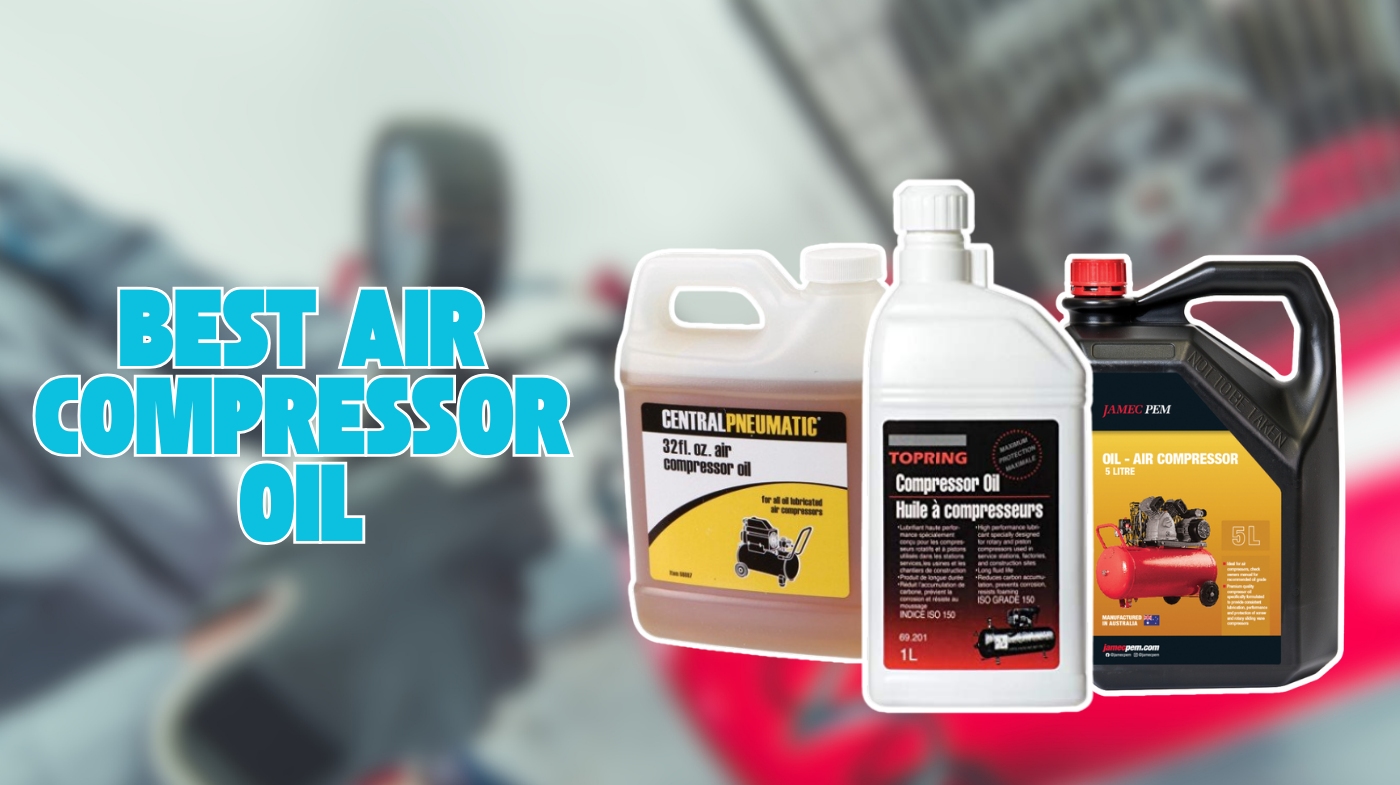
Understanding Oil Viscosity and Its Impact on Air Compressor Engines
Viscosity is a critical factor in determining the best oil grade for your air compressor engine. It refers to the oil's thickness and flowability, which affects its ability to lubricate and protect moving parts. The optimal viscosity range varies depending on the engine type, operating conditions, and environmental factors. For instance, engines operating in extreme temperatures may require oil with a higher or lower viscosity to maintain optimal performance.
A thorough understanding of viscosity is vital to preventing common issues such as overheating, oil breakdown, and engine wear. By selecting the right oil grade, you can ensure your air compressor engine runs smoothly, efficiently, and reliably. The compressor oil capacity guide provides valuable insights into the recommended oil capacities for various engine types and sizes.
Synthetic vs. Conventional Oils: Which is Best for Your Air Compressor Engine?
The debate between synthetic and conventional oils has been ongoing for years. While conventional oils are generally less expensive, synthetic oils offer superior performance, protection, and longevity. Synthetic oils are formulated with advanced additive packages that provide enhanced lubrication, wear protection, and thermal stability.
- •Bigo Live Not On Play Store: The Ultimate Scoop On Why You Can't Find It
- •Life After Renunciation: Can You Still Call The Philippines Home?
- •Born A Boy Living As A Star: Unveiling The Enigmatic Life Of Sandra Bullock
- •Cavaliers Vs Celtics: Unraveling The Timeless Rivalry That Continues To Captivate The NBA
- •Blox Fruits Stock Guide: Unlock The Secrets To Fruit Mastery In The Virtual World
In the context of air compressor engines, synthetic oils are often the preferred choice due to their ability to withstand extreme temperatures, pressures, and operating conditions. However, conventional oils can still be a viable option for less demanding applications. Ultimately, the choice between synthetic and conventional oils depends on your specific needs, budget, and engine requirements.

Best Practices for Selecting and Maintaining the Best Oil Grade for Your Air Compressor Engine
To ensure your air compressor engine runs at peak performance, it is essential to follow best practices for selecting and maintaining the best oil grade. This includes regularly checking oil levels, monitoring viscosity and additive packages, and performing scheduled oil changes.
By following these guidelines and choosing the best oil grade for your air compressor engine, you can minimize downtime, reduce maintenance costs, and maximize engine lifespan. Remember to always consult your engine manufacturer's recommendations and guidelines for oil selection, capacity, and maintenance.
Conclusion: Finding the Best Oil Grade for Optimal Air Compressor Engine Performance
In conclusion, selecting the best oil grade for your air compressor engine is a critical decision that can significantly impact its performance, longevity, and reliability. By understanding the importance of proper lubrication, viscosity, synthetic vs. conventional oils, and following best practices for maintenance, you can ensure your engine runs smoothly and efficiently.
Remember to consult this comprehensive guide, "Best Oil Grade For Air Compressor Engines A Complete Guide," whenever you need to make an informed decision about your air compressor engine oil. With the right knowledge and the best oil grade, you can unlock peak performance, minimize downtime, and maximize the lifespan of your air compressor engine.
To explore further academic studies and guidelines, refer to search results on Official Academic & Government Portals.


