Quick Summary & Key Takeaways
- Insightful Resource: A detailed guide exploring The Rise Of Brics Nations: Unpacking The Global Economic Shift in depth.
- Step-by-Step Walkthrough: Detailed sections covering practical applications and common practices.
- High-Value Content: Curated layouts designed to provide maximum clarity and structured learning.
Understanding the BRICS Phenomenon
The world is witnessing a significant economic shift with the rise of BRICS nations, a grouping of five major emerging economies: Brazil, Russia, India, China, and South Africa. The term BRICS was coined in 2001 by Jim O'Neill, a Goldman Sachs economist, who predicted that these countries would become among the most dominant economic powers by 2050. Today, the BRICS nations are not only driving global growth but also reshaping the international economic landscape.
The combined GDP of the BRICS nations has grown exponentially over the years, making them a force to be reckoned with. China, the largest economy among the BRICS nations, has been a key driver of growth, with its GDP exceeding $14 trillion in 2022. India, the second-largest economy in the group, has also been growing rapidly, with a GDP of over $2.5 trillion. The rise of the BRICS nations has significant implications for global trade, investment, and economic governance.
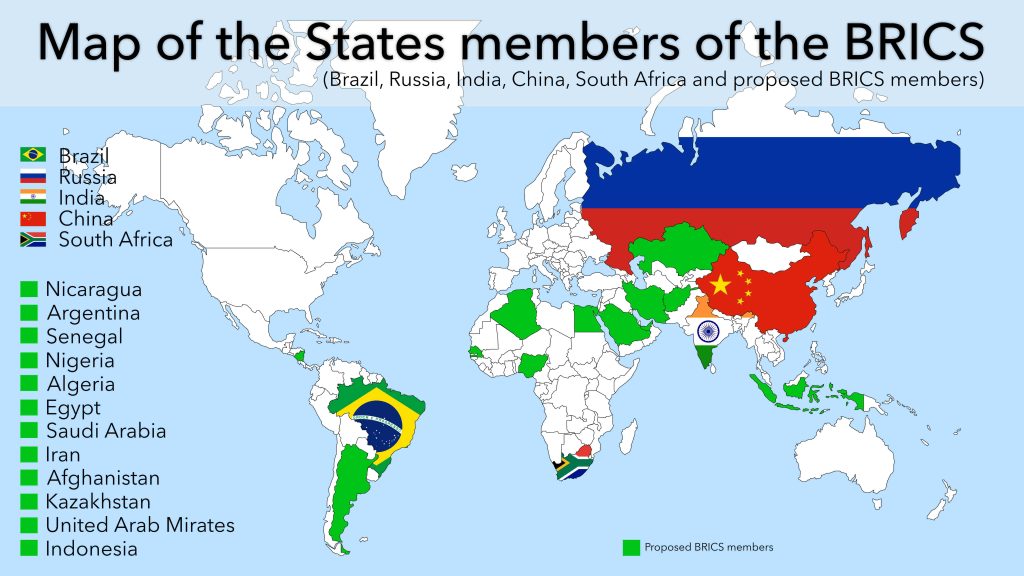
The Rise Of Brics Nations: What Does It Mean for Global Trade?
The rise of the BRICS nations has significant implications for global trade. The grouping has been actively promoting regional trade agreements and has established the BRICS New Development Bank (NDB) to fund infrastructure projects in member countries. The NDB has already approved over $10 billion in loans for various projects, including renewable energy, transportation, and urban development. The BRICS nations are also exploring alternative payment systems, such as the use of national currencies in international trade, to reduce their dependence on the US dollar.
The growth of the BRICS nations has also led to an increase in trade between the member countries. In 2022, intra-BRICS trade exceeded $150 billion, with China and India being the largest trading partners. The rise of the BRICS nations is expected to continue, with their combined trade projected to reach $500 billion by 2025. As the BRICS nations continue to grow, they are likely to play a more significant role in shaping global trade policies and governance.
What It Really Means: Opportunities and Challenges
The rise of the BRICS nations presents both opportunities and challenges for the global economy. On the one hand, the grouping offers a new platform for cooperation and collaboration among emerging economies. The BRICS nations have been actively promoting innovation and entrepreneurship, with a focus on sectors such as technology, renewable energy, and healthcare. The rise of the BRICS nations also presents opportunities for investment and trade, particularly in areas such as infrastructure development and consumer goods.
- •Unraveling The Enchantment: The Miraculous Mystery Of The English Alphabet A Journey Through 26 Letters
- •Cracking The Cosmic Code: The Secret To Unlocking Your Natal Chart Lucky Astrology Placements Decoding
- •Unveiling The Enigmatic Mercedes-Benz S65 AMG: A Rare Gem In Argentina
- •Unlocking Victory: The One Ring's Mystical Power In Magic: The Gathering
- •Unraveling The Mysteries: The One Piece Film Z Canon Debate Separating Fact From Fiction
On the other hand, the rise of the BRICS nations also poses significant challenges, particularly for developed economies. The grouping's growing economic influence is likely to lead to a shift in global economic power, with the BRICS nations playing a more significant role in shaping international economic policies. The rise of the BRICS nations also poses challenges for global governance, particularly in areas such as trade, climate change, and security.
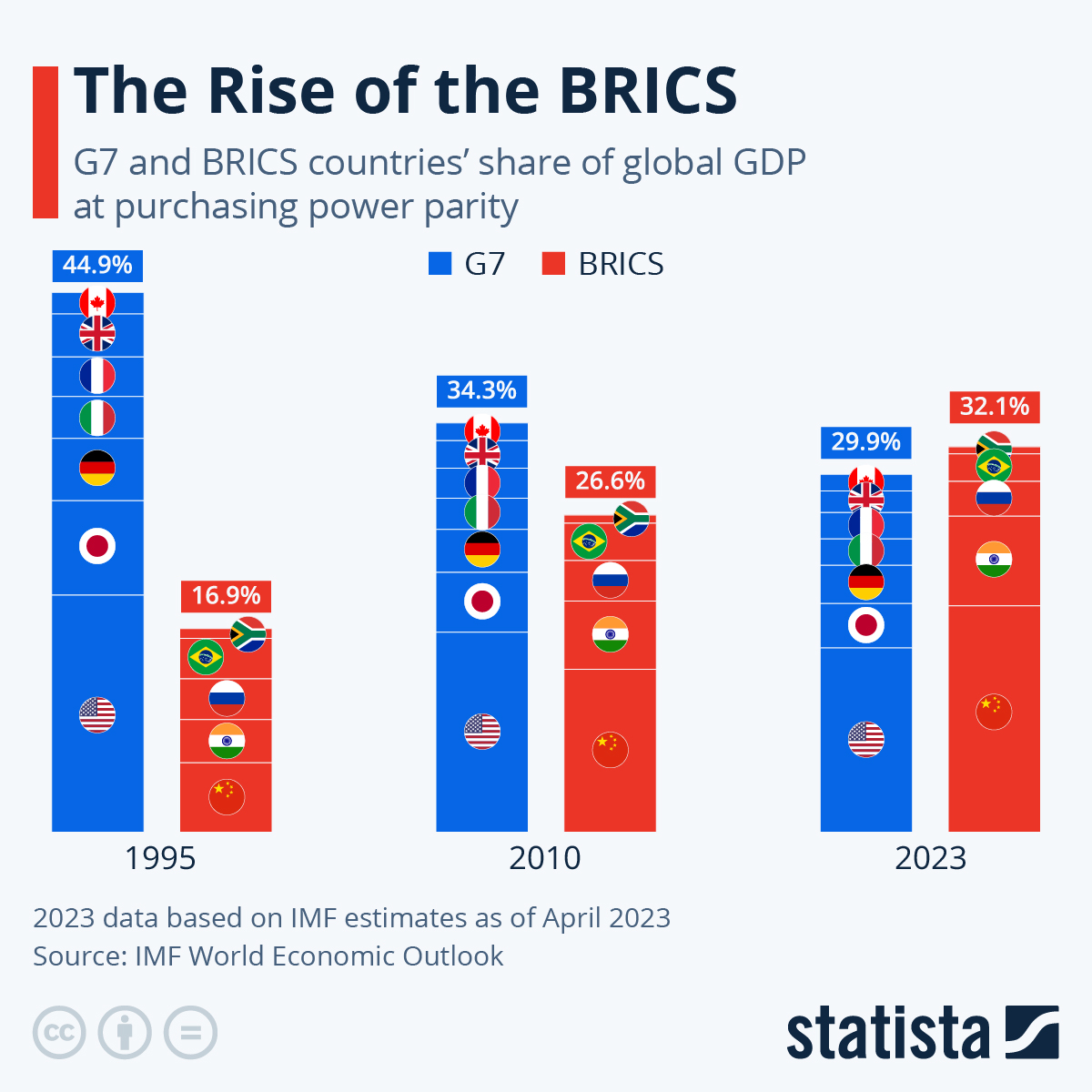
The Future of the BRICS Nations: Trends and Projections
The future of the BRICS nations looks promising, with their combined GDP expected to surpass that of the G7 nations by 2027. The grouping is expected to continue driving global growth, with their combined GDP projected to reach $50 trillion by 2030. The rise of the BRICS nations is also expected to lead to a shift in global economic power, with the grouping playing a more significant role in shaping international economic policies.
The BRICS nations are also expected to play a more significant role in global governance, particularly in areas such as trade, climate change, and security. The grouping has already established the BRICS Contingent Reserve Arrangement (CRA) to provide financial support to member countries in times of crisis. The BRICS nations are also exploring the establishment of a BRICS rating agency to provide an alternative to the major international rating agencies.
Conclusion: The Rise Of Brics Nations What It Really Means
In conclusion, the rise of the BRICS nations is a significant trend that will shape the global economy in the coming decades. The grouping's growing economic influence is likely to lead to a shift in global economic power, with the BRICS nations playing a more significant role in shaping international economic policies. Understanding the implications of this trend is crucial for businesses, investors, and policymakers. As the BRICS nations continue to grow and evolve, it is essential to stay informed about the latest developments and trends in this dynamic and rapidly changing economic landscape.
The rise of the BRICS nations is a complex and multifaceted phenomenon that presents both opportunities and challenges. As we move forward, it is essential to continue monitoring the developments in the BRICS nations and their impact on the global economy. By doing so, we can better understand the implications of this trend and make informed decisions about investment, trade, and economic governance.
To explore further academic studies and guidelines, refer to search results on Official Academic & Government Portals.


